
How to Care for Your Leather Jacket: Cleaning, Conditioning and Storage
Leather is skin, and like skin it needs to stay clean, hydrated and protected. Neglect it and even the finest hide will dry out, stiffen and crack; care for it properly and the same jacket grows more beautiful every year. The good news is that a solid routine takes only a few minutes a month and a handful of inexpensive products.
Routine cleaning
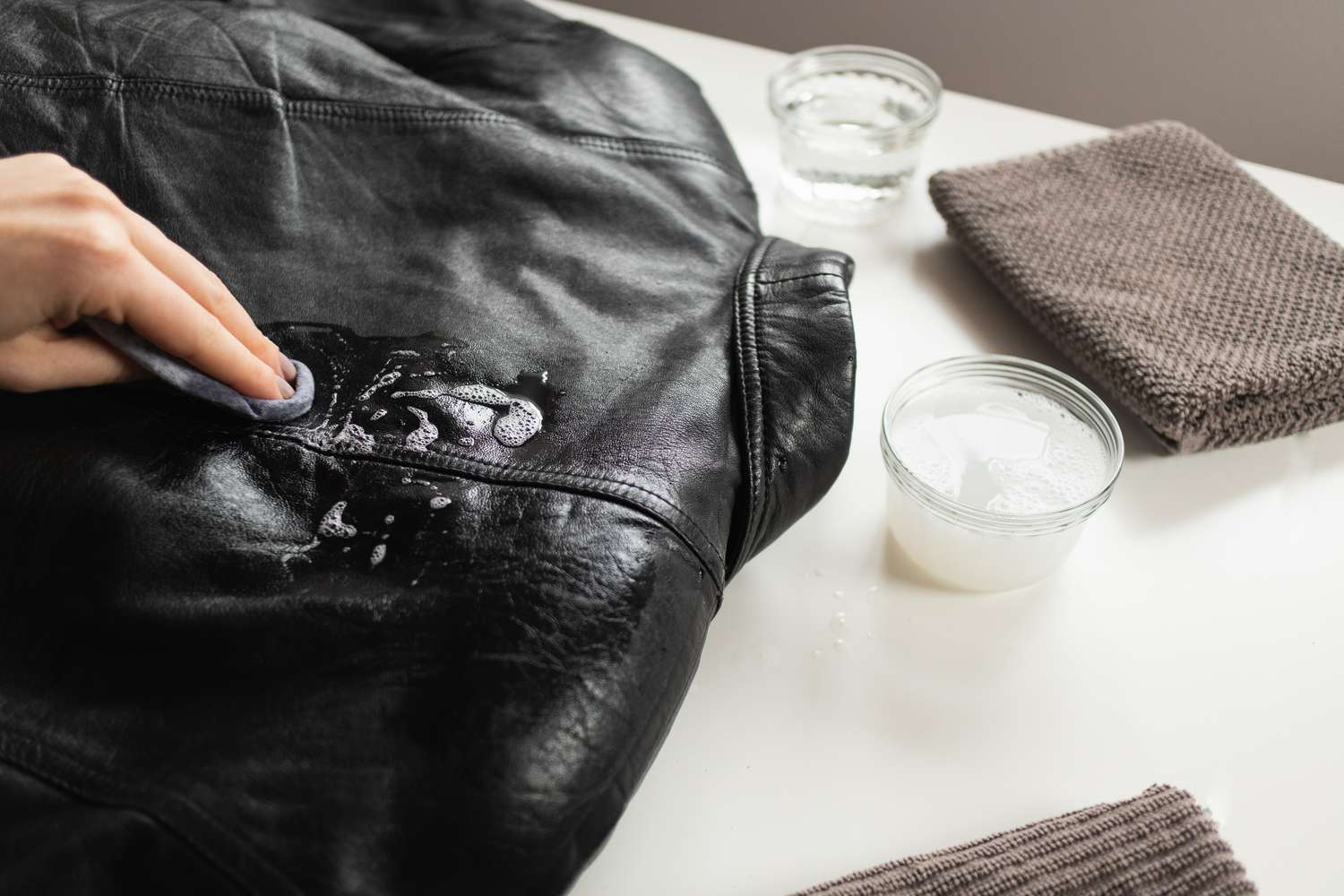
Most of the time, leather needs nothing more than a wipe. After wearing the jacket, run a soft, dry or slightly damp cloth over the surface to lift dust and body oils before they settle into the grain. For a deeper clean two or three times a year, use a cloth barely dampened with a dedicated leather cleaner or a tiny amount of mild soap, working in small circles and never soaking the leather. Avoid household cleaners, alcohol, and baby wipes — they strip the finish and dry out the hide.
Conditioning keeps it alive
Conditioning is the single most important step, because it replaces the natural oils that leather loses over time. Two to four times a year, apply a quality leather conditioner or cream with a soft cloth, spreading a thin, even layer and letting it absorb before buffing off the excess. Test any new product on a hidden area first. In dry climates or heated indoor air you may need to condition more often; the leather will tell you — if it feels stiff or looks dull, it is thirsty.
Dealing with water and rain
A light shower will not ruin a leather jacket, but it should be handled correctly. If the jacket gets wet, never dry it near a radiator, heater or direct sun, all of which cause rapid drying and cracking. Instead, blot away surface water with a towel and let the jacket air-dry naturally at room temperature, then condition it once dry to restore lost oils. For frequent exposure, a leather-safe waterproofing spray adds a protective barrier — reapply it periodically and always test the color-fastness first.
Removing stains and scuffs
Act quickly on spills by blotting rather than rubbing. Grease and oil marks can often be lifted by sprinkling cornstarch or talcum powder on the spot, leaving it overnight, and brushing it away. Light scuffs frequently buff out with a little conditioner and a soft cloth. For ink, deep stains, or anything on suede and nubuck, resist home experiments and take the jacket to a professional leather cleaner — the cost is far less than replacing a ruined jacket.
Storing it the right way
How you store leather between wears matters as much as how you clean it. Hang the jacket on a wide, padded or wooden hanger that supports the shoulders — thin wire hangers create permanent bumps. Give it room to breathe; never seal leather in plastic, which traps moisture and encourages mould. If you must cover it, use a breathable cloth garment bag. Store it somewhere cool, dry and out of direct sunlight, which fades color over time. For long off-season storage, condition the jacket first and check on it occasionally.
A simple year-round schedule
- After each wear: wipe down with a soft cloth and hang on a padded hanger.
- Monthly: inspect for dryness, dust and loose stitching.
- Every 3–4 months: deep-clean lightly and condition.
- Seasonally: re-waterproof if worn in wet weather; store correctly in the off-season.
Follow this and the jacket you buy today can genuinely outlive the decade — softer, richer and more personal with every passing year.