
Why Handmade Leather Jackets Are Worth the Investment
Faced with two leather jackets that look similar, most buyers hesitate at the price gap between a mass-produced piece and a handmade, made-to-order one. It is a fair hesitation — but in leather, that gap usually reflects real, tangible differences in materials, construction and lifespan. Understanding what handmade actually delivers makes the higher price far easier to justify.
Better materials, chosen by hand
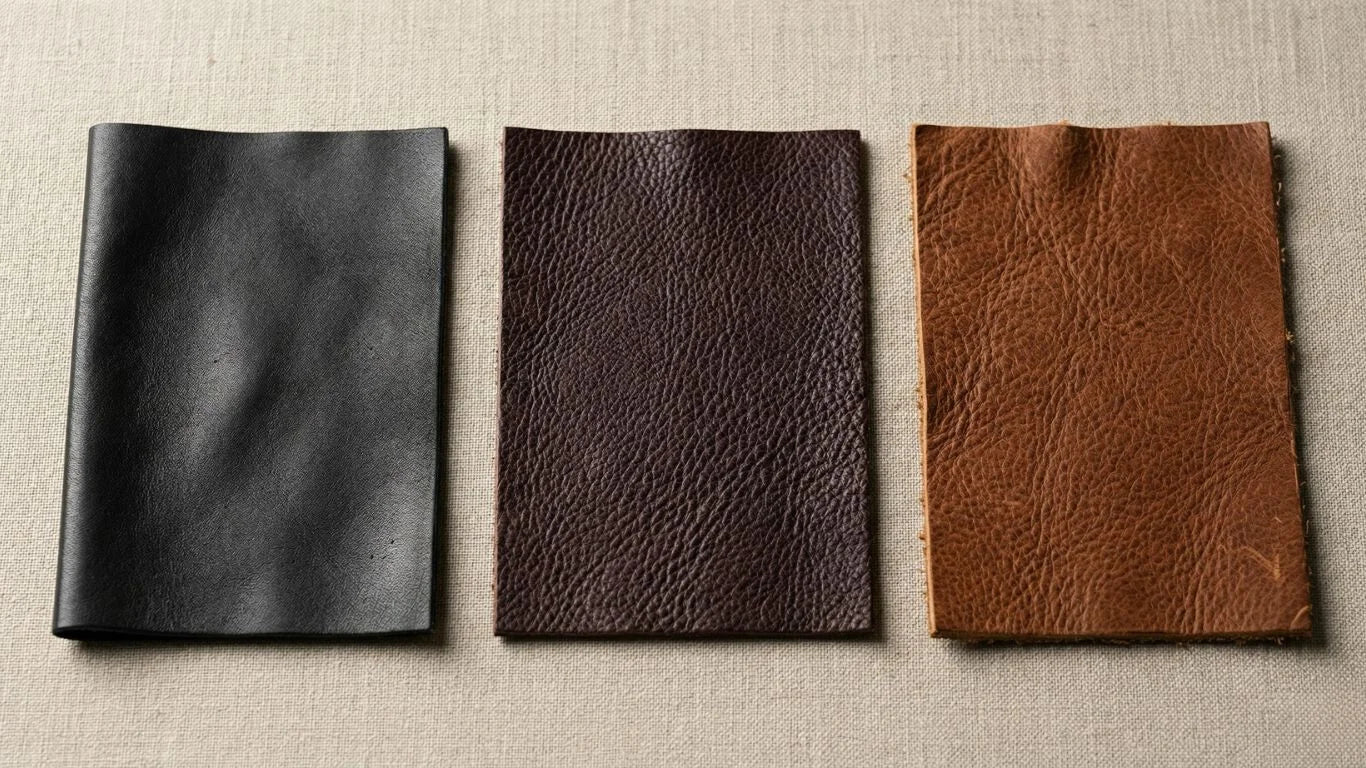
Mass production optimises for cost, which almost always means cutting corners on the hide. Handmade jackets are typically built from higher grades of leather — full-grain and top-grain lambskin, cowhide or buffalo — selected piece by piece by someone who knows what they are looking at. That starting material is the single biggest factor in how a jacket looks, feels and ages, and it is where craftsmanship begins long before the first stitch.
Construction that lasts
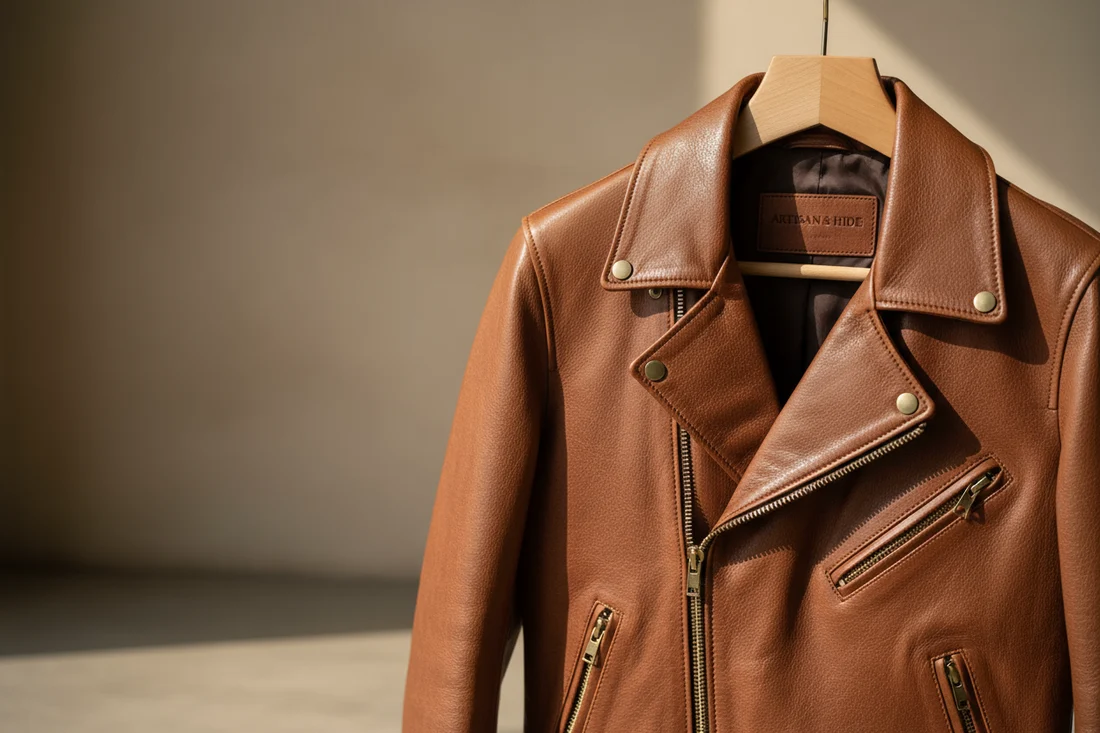
The difference in construction is visible if you know where to look. A handmade jacket has stitching that is straight, dense and reinforced at stress points; linings that are sewn in rather than glued; and hardware that is fitted to last. These details are exactly what mass production rushes. They are also what determine whether a jacket survives a decade of wear or begins to fail at the seams and zips within a couple of seasons. You are paying for the parts you cannot see as much as the ones you can.
The value of made-to-order
Many handmade jackets are cut to order, and that changes the equation in your favour. Instead of forcing your body into a standard size, a made-to-order piece can be built to your measurements, giving a fit that off-the-rack jackets rarely match. It also means less waste, since the jacket is produced for a specific buyer rather than manufactured speculatively in bulk. The short production wait — often just a week or two — is the cost of getting something made specifically for you.
Individuality you cannot mass-produce
Because each handmade jacket is finished by hand, small natural variations — in the grain, the distressing, the exact shade — make every piece subtly unique. Far from being flaws, these are the fingerprints of real craftsmanship, the same quality that makes a hand-built object feel different from a machine-stamped one. A handmade jacket is, quite literally, not identical to anyone else’s.
The real economics: cost per wear
The strongest argument for handmade leather is financial, once you look past the sticker price. A well-made jacket worn regularly for ten or fifteen years, then repaired and reconditioned to last even longer, costs very little each time you wear it. A cheaper jacket that cracks, peels or splits within a couple of winters is replaced again and again, and those replacements add up to more than one good jacket would have cost. Quality, in leather, is usually the economical choice.
Supporting a craft
There is a final, less tangible return. Buying handmade supports skilled artisans and keeps a centuries-old craft alive in a world tilted toward disposable manufacturing. When you wear a handmade jacket, you are wearing days of one person’s skill and attention — and that is something a factory line cannot replicate at any price. For a garment you may keep for the rest of your life, that is an investment that pays back every single time you put it on.