
How to Get the Right Fit: Sizing Men’s Leather Jackets, Vests and Pants
The most expensive leather in the world looks wrong if the jacket does not fit, and the most modest jacket looks sharp if it fits perfectly. Because leather has little of the stretch and forgiveness of woven fabric, and because it is costly to alter, getting the size right the first time matters more here than with almost any other garment. This guide walks through how to measure and what to look for.
Take your measurements first
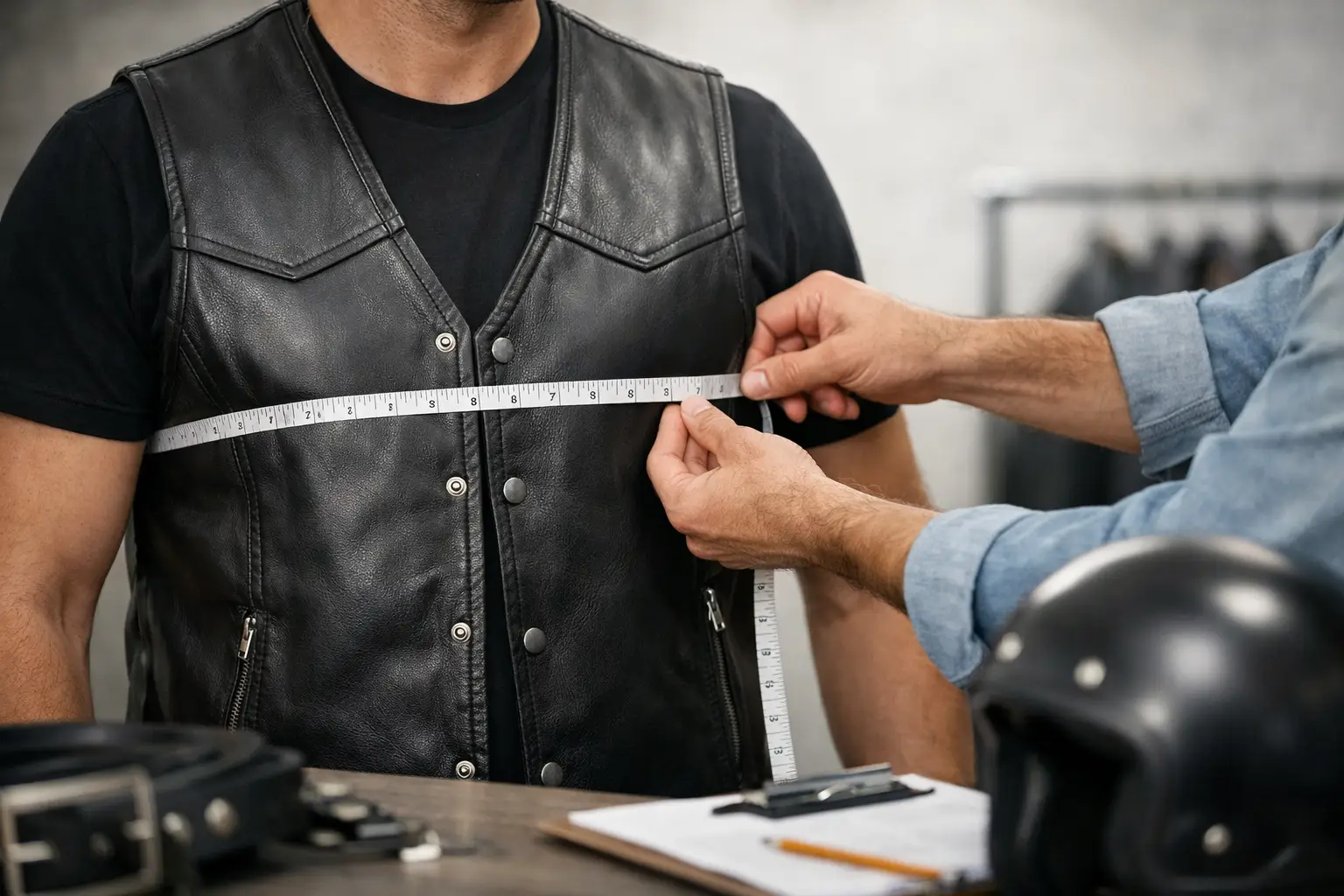
Before ordering, measure yourself with a soft tape over a light shirt. The four numbers that matter most are chest (around the fullest part, under the arms), shoulder (seam to seam across the back), sleeve (from shoulder seam to wrist bone), and jacket length (from the base of the collar down the back). Write them down and compare them to the size chart of the specific maker — leather brands vary, and a medium from one is not a medium from another.
What a good jacket fit looks like
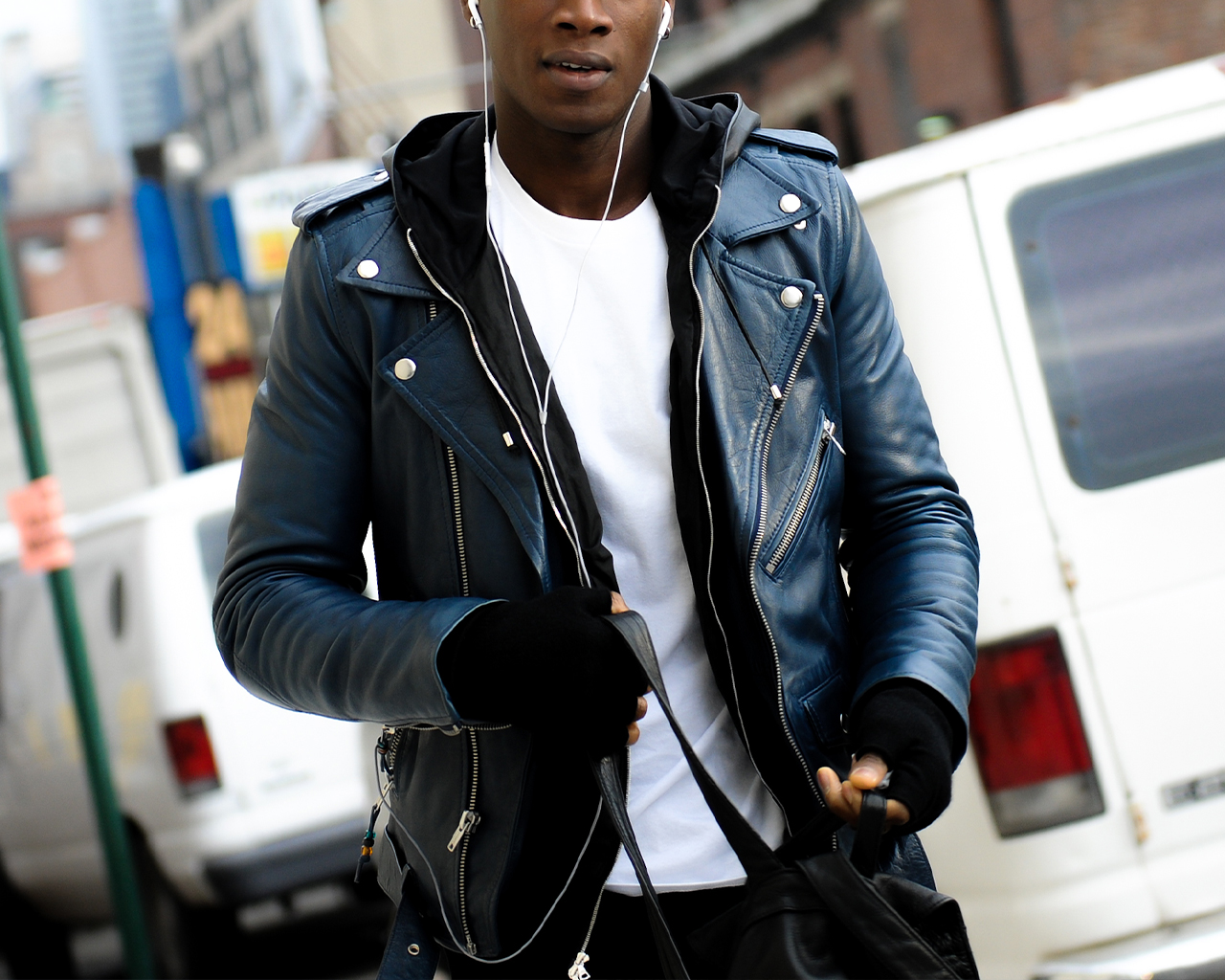
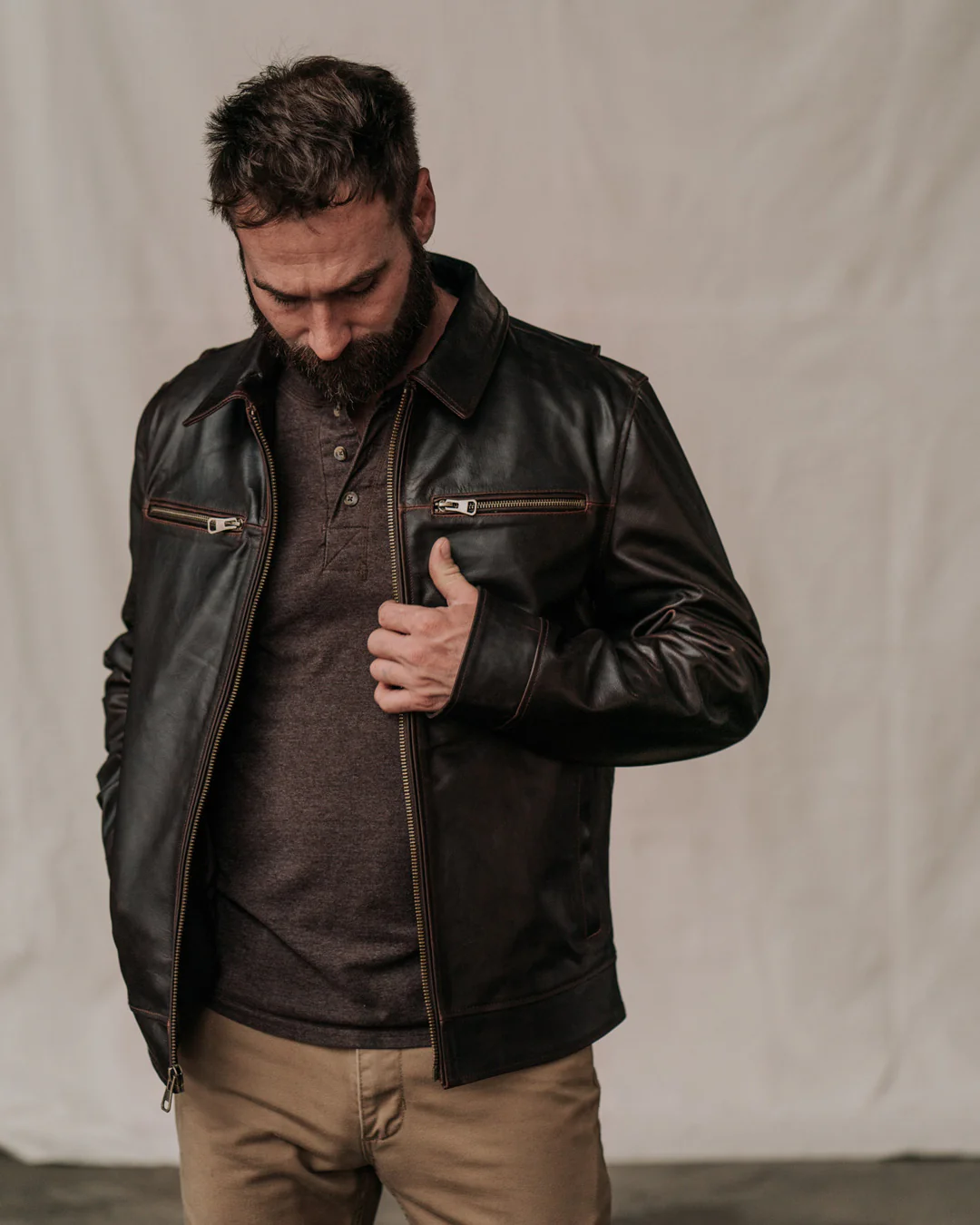
Start at the shoulders, because they are the anchor of the whole garment and the hardest thing to alter. The shoulder seam should sit right where your shoulder ends, not droop onto your upper arm or pull tight. Across the chest, you should be able to zip the jacket over a t-shirt or light sweater and still pinch a small amount of fabric — not so tight it strains, not so loose it billows. Sleeves should end at the wrist bone, and the hem should sit around the belt line for a biker or slightly lower for a bomber.
Accounting for layers
Think about what you will wear underneath. If the jacket is for mild weather over t-shirts, size for a trim fit. If you plan to layer sweaters and hoodies beneath it in winter, allow a little extra room in the chest and shoulders so the jacket still closes and moves comfortably. It is a balance: too much room for layering leaves the jacket sloppy when worn over a tee, so size for how you will wear it most often.
Fitting vests and leather pants
A leather vest should follow the same shoulder-and-chest logic as a jacket but sit close enough to layer cleanly under outerwear without bunching. Leather pants and jean-style leather trousers are less forgiving than denim: measure your waist and inseam accurately, and remember that leather relaxes slightly with wear but does not stretch like cotton. For stacked or tapered styles, check the leg opening measurement so the break over your boots looks intentional.
Ordering made-to-order and custom pieces
Many of the best leather jackets are handmade to order, which is an advantage if you use it well. When a maker offers custom sizing, provide your real measurements rather than guessing a standard size, and mention your height and build. If you are between sizes, ask the maker directly — a good workshop would rather answer a sizing question than process a return. Because these pieces are crafted individually, they often cannot be returned as easily as off-the-rack stock, so the few minutes spent measuring are genuinely worth it.
When to involve a tailor
Some adjustments are easy for a leather tailor — shortening sleeves, taking in the waist or body slightly, or moving a button. Others, especially anything involving the shoulders, are difficult or impossible. So buy for the shoulders and chest, and treat minor length and waist tweaks as things a specialist can refine afterwards. A modest tailoring bill on a well-chosen jacket is money extremely well spent.
Nail the fit and even a simple jacket looks custom. Ignore it and no amount of quality leather can save the silhouette — which is why fit, not price, is the real secret to looking good in leather.