
How to Choose the Perfect Men’s Leather Jacket: A Complete Buyer’s Guide
A leather jacket is one of the few garments a man can wear for twenty years and have it look better at the end than the day he bought it. But that longevity only happens when the jacket is chosen well. With so many cuts, leathers, price points and finishes on the market, buying blindly is an easy way to end up with a jacket that either falls apart in two seasons or simply never gets worn. This guide breaks the decision down into the factors that actually matter, in the order you should think about them.
Start with how you will actually wear it
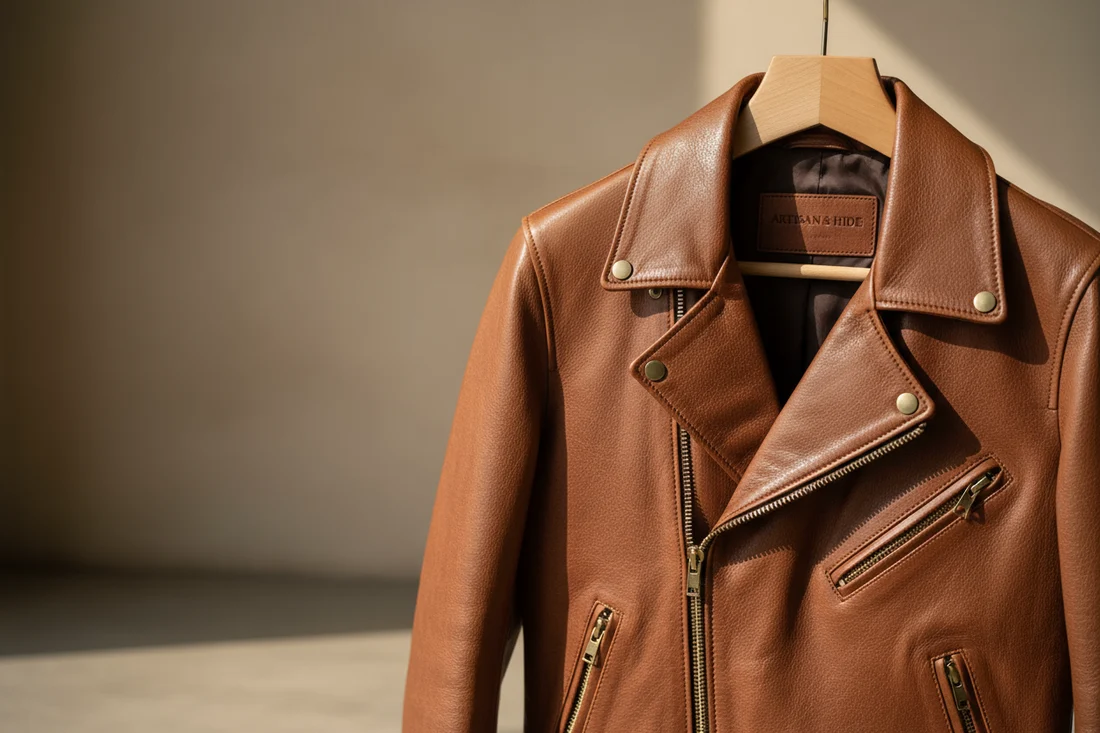
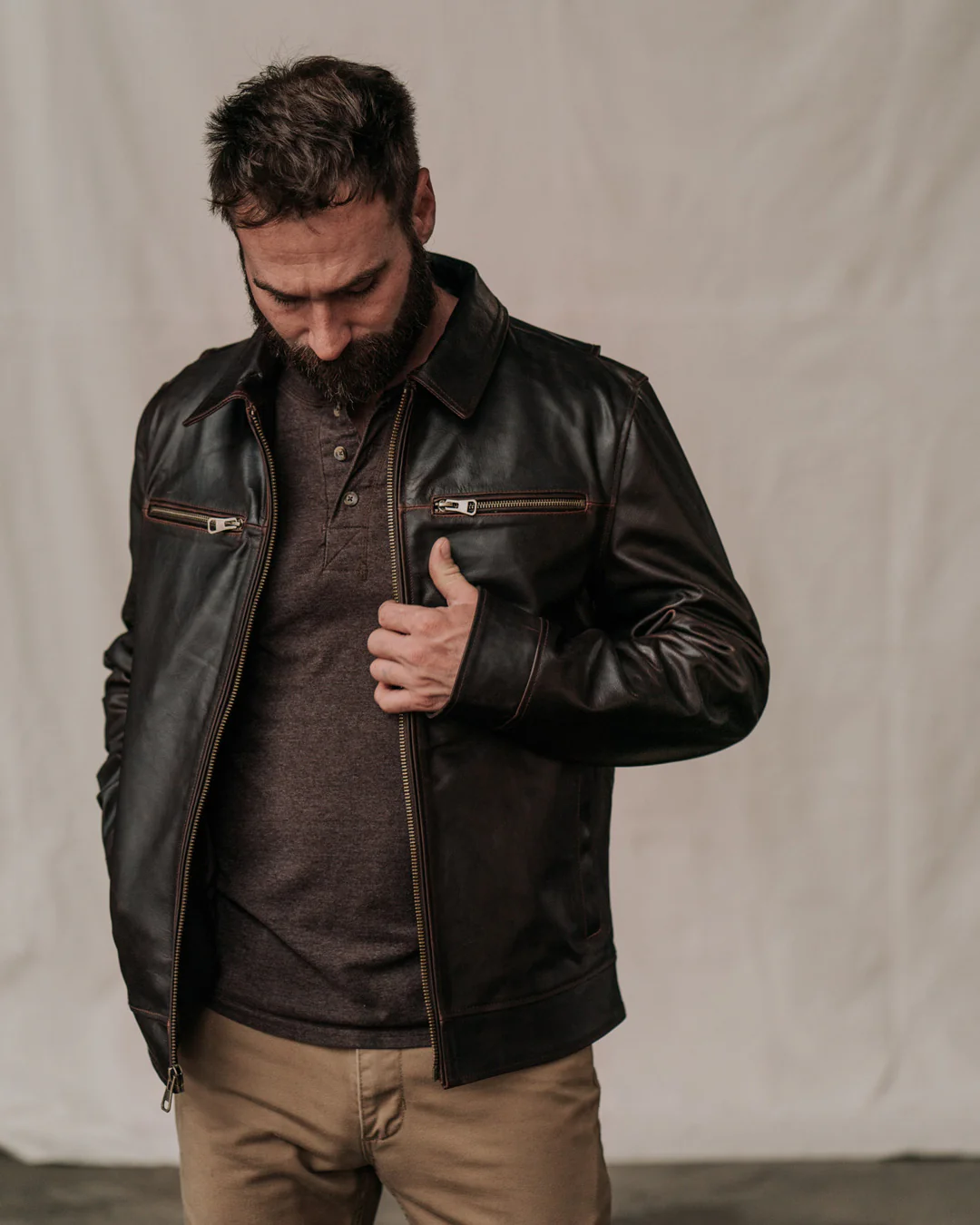
Before you look at a single product, picture the three or four outfits you already own that the jacket needs to work with. A man who lives in dark jeans, boots and plain t-shirts is best served by a classic black or brown biker or cafe-racer. Someone who dresses a little smarter — chinos, knitwear, leather shoes — will get more use from a clean bomber or a minimalist zip-up in a mid-brown tone. Buying the jacket you wish you wore, rather than the one that matches your real wardrobe, is the single most common reason expensive leather ends up unworn in a closet.
Understand the leather itself
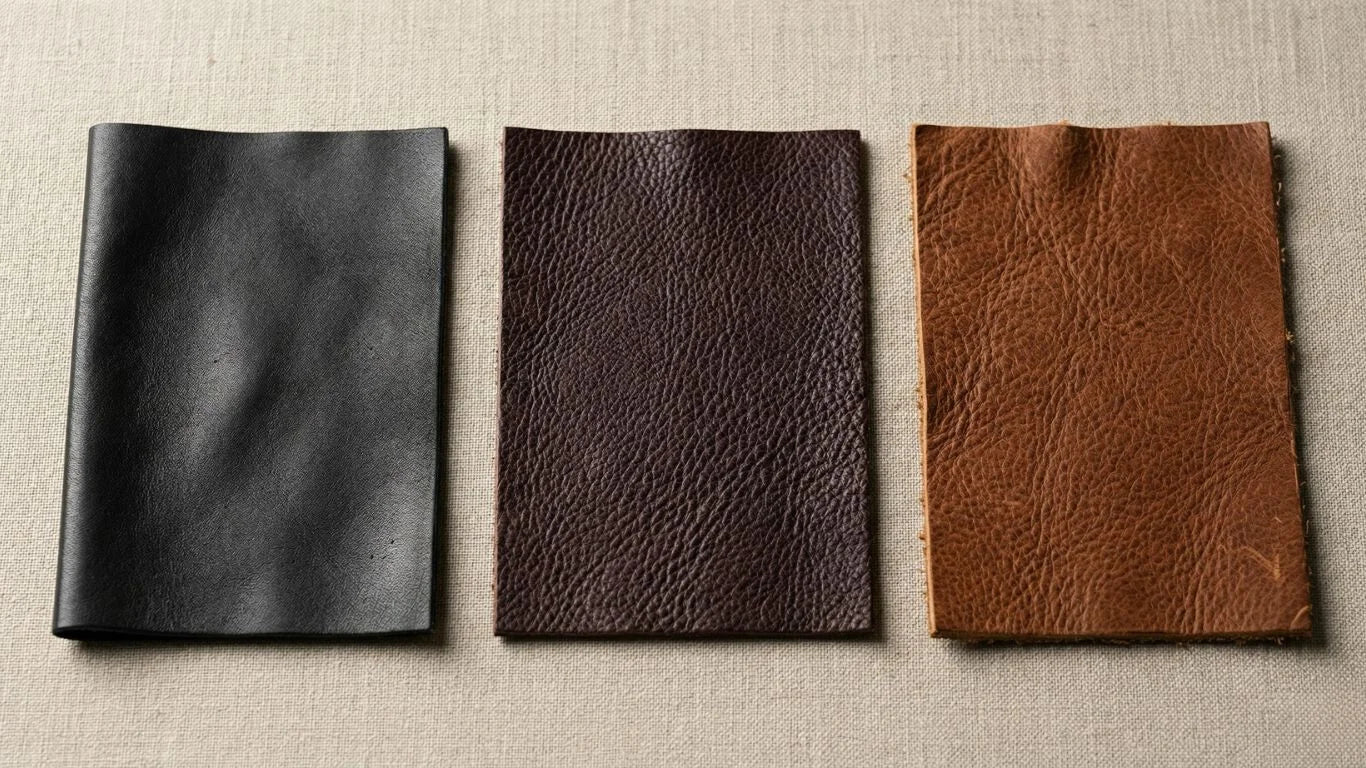
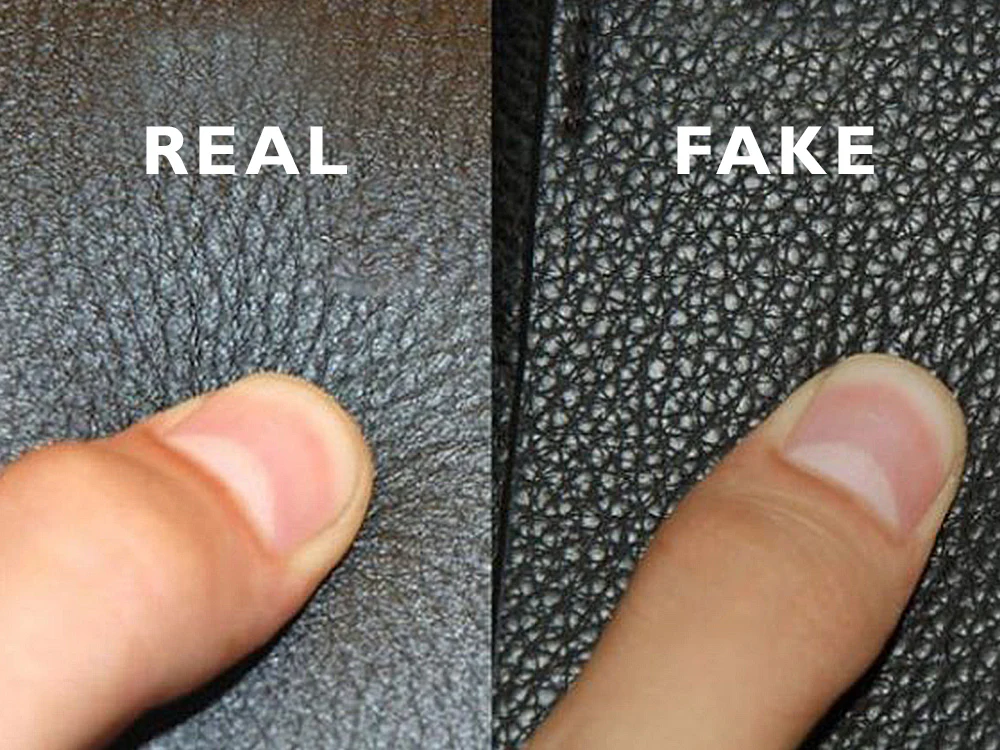
The hide is where quality lives or dies. Full-grain and top-grain leathers are the benchmarks: they use the strong outer layer of the skin, develop a rich patina over time, and can be repaired and reconditioned for years. Genuine or bonded leather sits far lower on the scale — the words sound reassuring but describe cheaper, weaker material that cracks and peels. Lambskin is prized for being buttery-soft and lightweight, which makes it ideal for a jacket you want to feel refined; cowhide and buffalo are thicker and more rugged, better suited to a hard-wearing biker. Ask what animal the leather comes from and which grain is used before you ask anything else.
Match the style to your build
Cut is as important as color. A cropped, fitted biker flatters slim and athletic builds but can look boxy on a larger frame; a slightly longer bomber or a straight racer jacket is more forgiving. Pay attention to shoulder seams — they should sit exactly where your shoulder ends, because that is the one thing a tailor cannot easily fix. Sleeves should finish at the wrist bone, and when the jacket is zipped there should be room for a light sweater underneath without pulling across the chest.
Inspect the construction and hardware
Turn the jacket inside out. Look for clean, straight stitching with no loose threads, a proper lining that is sewn in rather than glued, and seams that lie flat. Zippers are a common failure point, so choose sturdy metal hardware from a recognised maker over lightweight plastic. Test every zip and snap in the store or immediately on arrival. Well-made hardware feels weighty and moves smoothly; cheap hardware is the first thing to break and often cannot be replaced without dismantling the jacket.
Think about price as cost-per-wear
A genuine leather jacket is rarely cheap, and it should not be. Rather than comparing sticker prices, think in terms of cost-per-wear: a well-made jacket worn hundreds of times over a decade costs pennies per outing, while a bargain jacket that cracks after one winter is expensive at any price. Handmade and made-to-order jackets sit at the higher end because a skilled maker spends days on each piece — but that labour is precisely what you are paying for and what makes the jacket last.
Final checklist before you buy
- Confirm the leather type and grade — full-grain or top-grain lambskin, cowhide or buffalo.
- Check the shoulder seams align with your own shoulders.
- Zip it up over a sweater to test real-world fit.
- Inspect stitching, lining and hardware quality.
- Confirm the return and sizing policy, especially for made-to-order pieces.
Get these five things right and the jacket will reward you for years. A leather jacket is not an impulse purchase; it is a long relationship with a single garment, and a little patience at the buying stage pays off every time you put it on.