
Genuine Leather vs. Faux Leather: What Every Man Should Know Before Buying
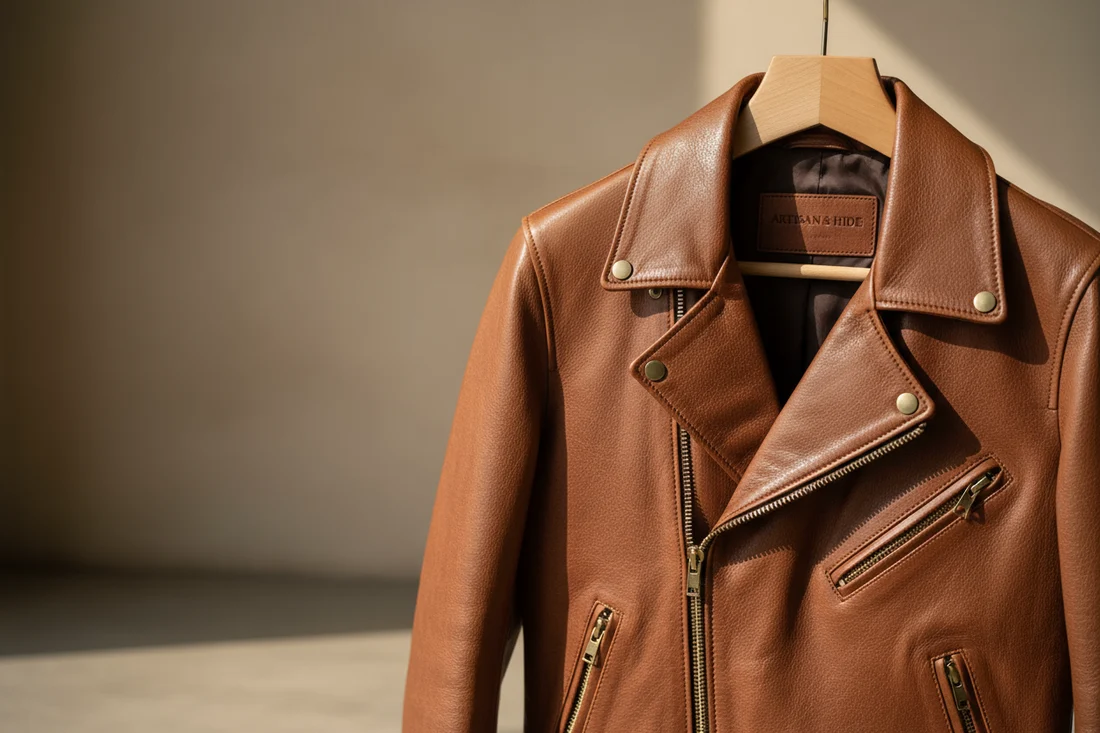
Walk into any menswear store and you will find two jackets that look almost identical on the rack but could not be more different in the hand — one genuine leather, one synthetic. The gap between them only becomes obvious over time. Understanding what separates the two helps you spend your money with your eyes open, whether you value longevity, price or principle.
What each material actually is
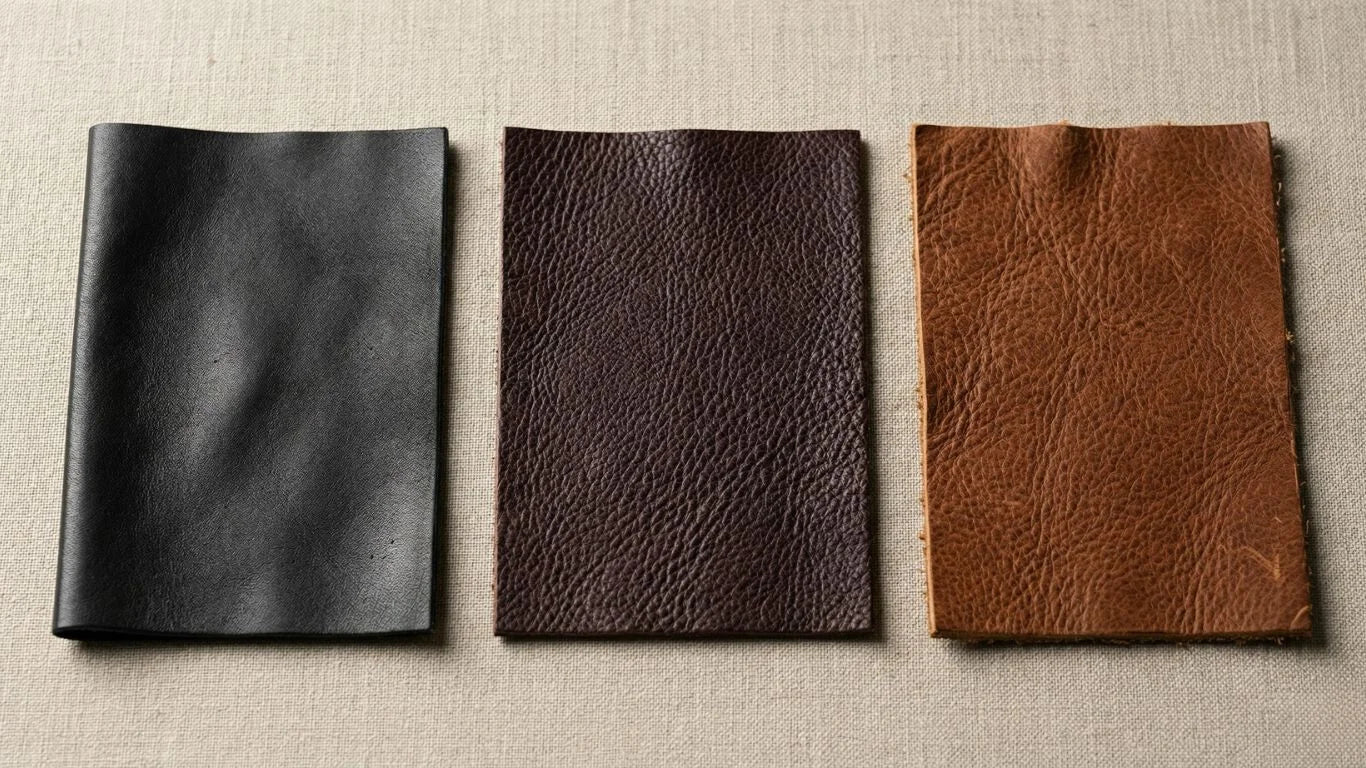
Genuine leather is animal hide, tanned and finished so it resists decay and becomes wearable. The best grades — full-grain and top-grain — keep the natural surface of the skin, which is why they age into a unique patina. Faux leather, also sold as vegan leather or PU leather, is a fabric backing coated with a plastic polymer, usually polyurethane, embossed to imitate the look of a hide. A newer generation of plant-based alternatives uses materials such as cactus or mushroom fibre, but the mainstream synthetic is still petroleum-derived plastic.
Durability and ageing
This is where real leather earns its reputation. A quality hide flexes with your body, resists tearing, and can be conditioned, repaired and re-dyed for decades. It softens and darkens attractively with use. Faux leather does the opposite: the polymer coating is stiff from the start and, once it begins to crack or peel — often within a couple of years of regular wear — there is no way to restore it. What looks like a bargain at purchase frequently becomes landfill within a few seasons.
Cost, honestly compared
Faux leather wins on the price tag and nothing else long-term. If you need a jacket for one season, for a costume, or for a look you expect to tire of quickly, the low cost makes sense. But if you want a jacket you will still reach for in ten years, genuine leather is almost always cheaper per wear despite the higher upfront price. Buying one good jacket usually beats replacing three cheap ones.
Comfort, weight and feel
Real leather breathes to a degree synthetics cannot, moulding to your shape and regulating warmth better across seasons. Faux leather traps heat and moisture, which can feel clammy in warm weather, though it is often lighter and completely consistent in color and texture. Some men prefer that uniformity; others find that the small natural variations in a real hide are exactly what give it character.
Ethics and environment — a balanced view
There is no simple winner here, and it is worth being honest about the trade-offs. Real leather is an animal product, which some buyers will not accept, and tanning can be resource-intensive when done poorly. Faux leather avoids animal use but is largely plastic, sheds microplastics, and does not biodegrade. A durable real-leather jacket that lasts twenty years may ultimately have a smaller footprint than several synthetic jackets sent to landfill; a well-made plant-based alternative may be the best fit for a committed vegan. The right answer depends on which values you weigh most heavily.
How to tell them apart
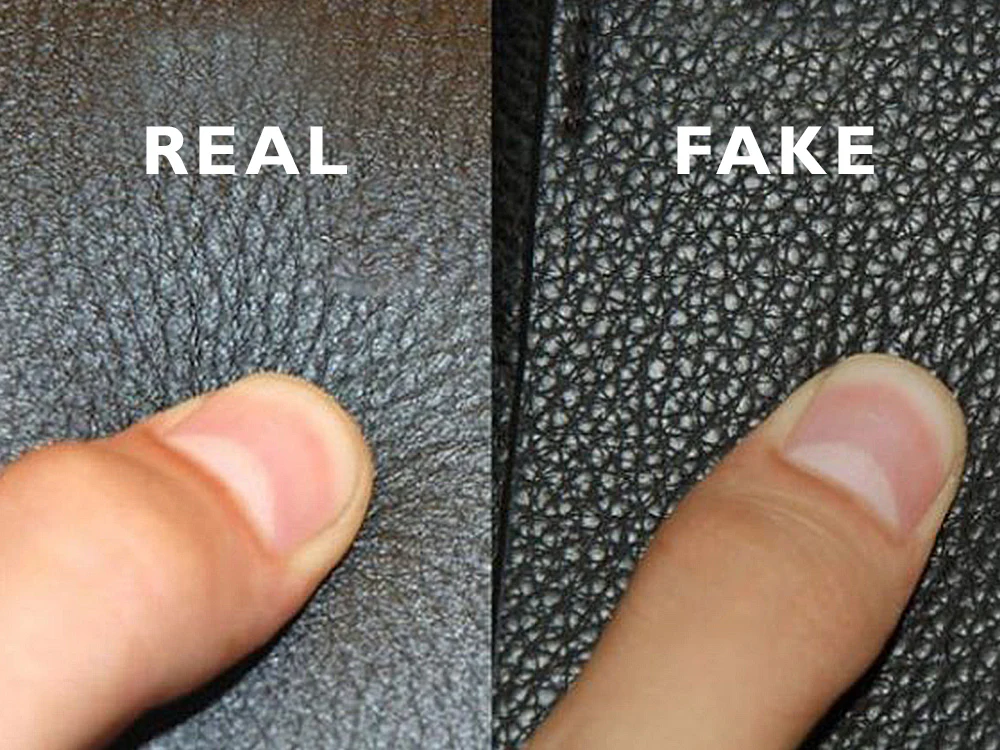
Trust your senses. Real leather has an unmistakable smell, feels warm and slightly irregular, and shows a natural grain that never repeats perfectly. Synthetic surfaces often feel cool and plasticky, smell faintly chemical, and repeat their embossed pattern with machine regularity. Check the label too: terms like “man-made material” or “PU” signal synthetic, while a reputable seller of real leather will tell you the animal and the grain. Neither material is simply right or wrong. Decide what you want the jacket to do — last a lifetime, fit a tight budget, or align with a specific ethic — and the choice usually makes itself.